

From Tiny Homes to Virtual Worlds: Imagining and Building Alternatives

“There’s no hope left…that’s the whole point of the game!” My 12-year-old nephew yelled, frustrated. He was describing the latest game he was playing, where warring tribes battled for the last pieces of a dying Earth, and I was questioning him, “was there any hope humans could survive?”
He said I didn’t get it, but I did. As someone who had been helping people design tiny home communities on their lands, I understood the challenge of not just building alternatives, but even imagining them in the first place.
Cliches or not, “seeing is believing” and “build it and they will come” have been true in my work. Nearly 15 years ago, I built the nation’s first tiny home on wheels community in the heart of Washington D.C. Each weekend we hosted hundreds of visitors who were eager to see what an urban tiny home community could look like. Until then, most tiny homes were quietly built in rural areas or backyards. The interest was overwhelming. People couldn't imagine living in such a small space, or owning a home without a mortgage or land until they saw it for themselves.
The tiny house movement has since exploded, and you can read more about that in a previous post of mine. It's largely evolved from a movement to an industry, often replicating the inequalities of our current housing system and treating home and land as commodities. That has led me to ask: how do we build outside of our current system when solutions that start as a pushback often end up replicating it?
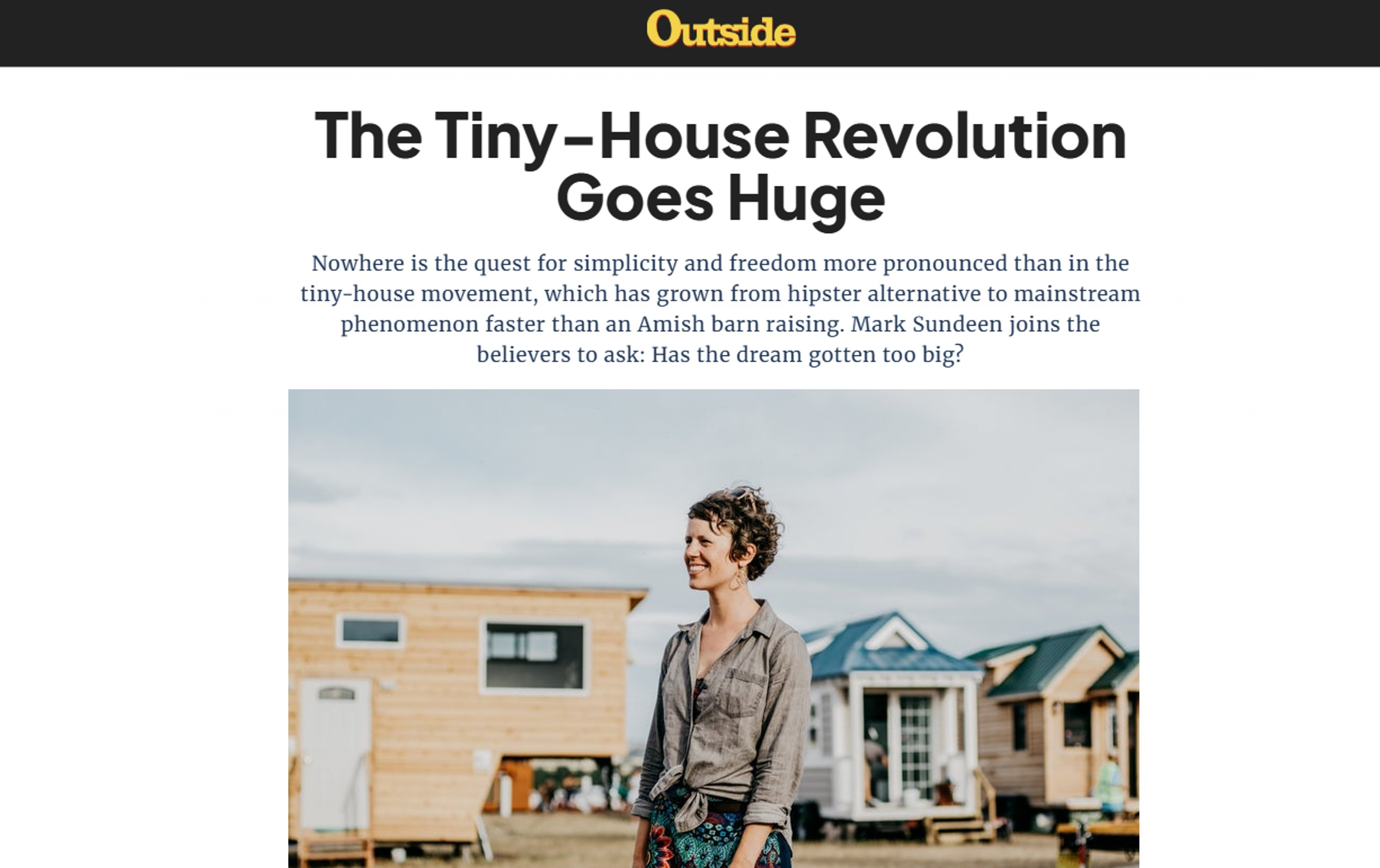
I am fortunate to have grown up across many cultures, learning from elders and lands from the Pacific Islands to the Arctic. Because I was introduced to other ways of living and being on this Earth, I know that much of what I’ve been told “has always been this way” is simply not true.
Yet when I question concepts like treating housing as a commodity rather than as a human right, I'm often dismissed as naive, and met with the challenge: “So, what’s your solution?"
I’ve spent a few years thinking about that question and about my nephew’s comment. If our current systems are so ingrained that even our games mirror them, how can we explore and experiment with different ways of living and being on this Earth?
The answer for me, which I thought was in building physical communities, led me back to technology. Although the last time I played a video game it looked like this, a group of us are now designing one!
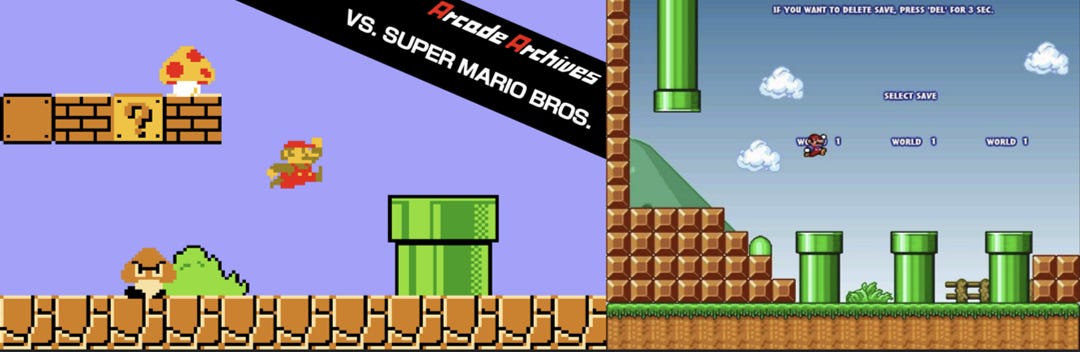
As our digital and physical worlds increasingly blur, we’re asking ourselves:
Can virtual worlds help us imagine, design, and build not just online, but on land too?
Can a game facilitate our transition to different ways of being on this Earth by teaching us to listen to the land, its creatures and our ancestors?
The teachings from the land and our ancestors extend beyond practical ways of living. They also encompass stories of spirit and dream realms—dimensions that hold wisdom for us to navigate today's environmental and technological shifts. Bridging these realms is what guides our work. We're bringing ancestral teachings and technologies into daily life, and exploring how virtual realities can help us build better conditions on Earth, not just in the metaverse.
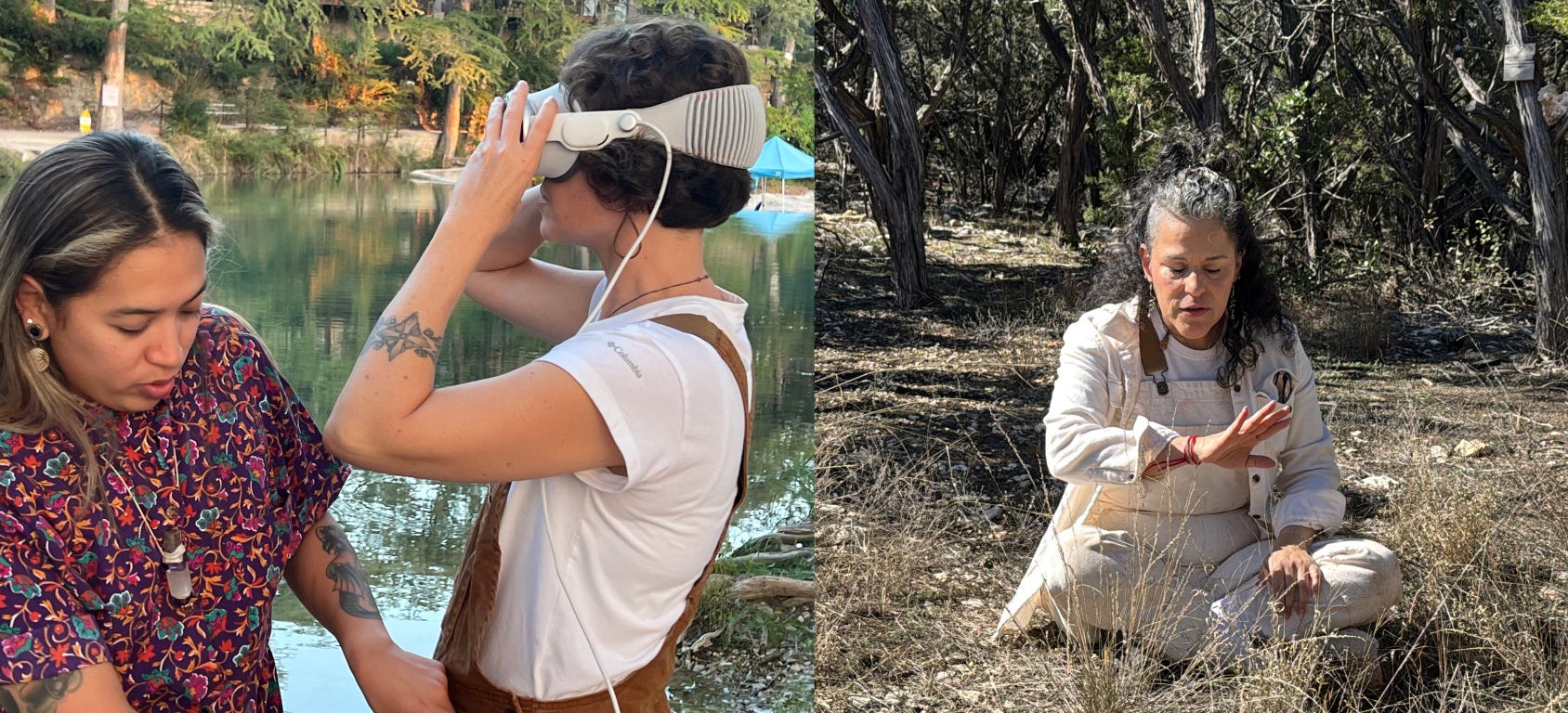
We’d love to have you join us!
In this newsletter, I’ll be sharing how we are building this game, introducing you to the people involved, and writing about topics like:
New collaborative business structures for tech projects
Models for stewarding land collectively
The concept of right relationship in our digital lives
How emerging technologies can connect us to the physical world and ourselves
Connecting with ancestral wisdom for guidance
What other ways of knowing can teach us about technologies like AI
And features with those who are designing their work and lives creatively
I look forward to Building Beyond together!
love it!
I built my tiny house 7-1/2 years ago with the help of many friends and family.
One of the more interesting pieces of this journey was financing.
I knew I couldn’t get a bank loan and didn’t have any one person that could loan me what I needed. Instead I reached out to about 25 people looking for microloans of $1000 apiece that I’d pay back over 5 years with interest. If someone didn’t want to for any reason, that was fine and didn’t impact our relationships.
Fortunately about 15 of those folks were in a position to loan me $23k; one I’ve still never met in person but she felt strongly about alternative economics and putting our beliefs into action. All the loans were paid back within 6-1/2 years at an affordable rate for me, and they made a couple hundred bucks in the process giving me the time to pay them back.
I was also able to put the rest of what I needed, about $12k more, on credit cards that I paid off even faster. All of this while working at a natural foods store, not exactly a high wage job, but it was enough.
I wouldn’t be where I am in a truly affordable home without the support of a community of folks who trusted in me and came together to make this happen. People and community do make the world go round. And thanks Lee for giving the inspiration to get it done!