

Why I'd Rather Build than Brand

By definition, I am a creator.1 By current social media standards, I am definitely not. My creations, however, have helped launch the careers of a few “creators” and “influencers” over the years.
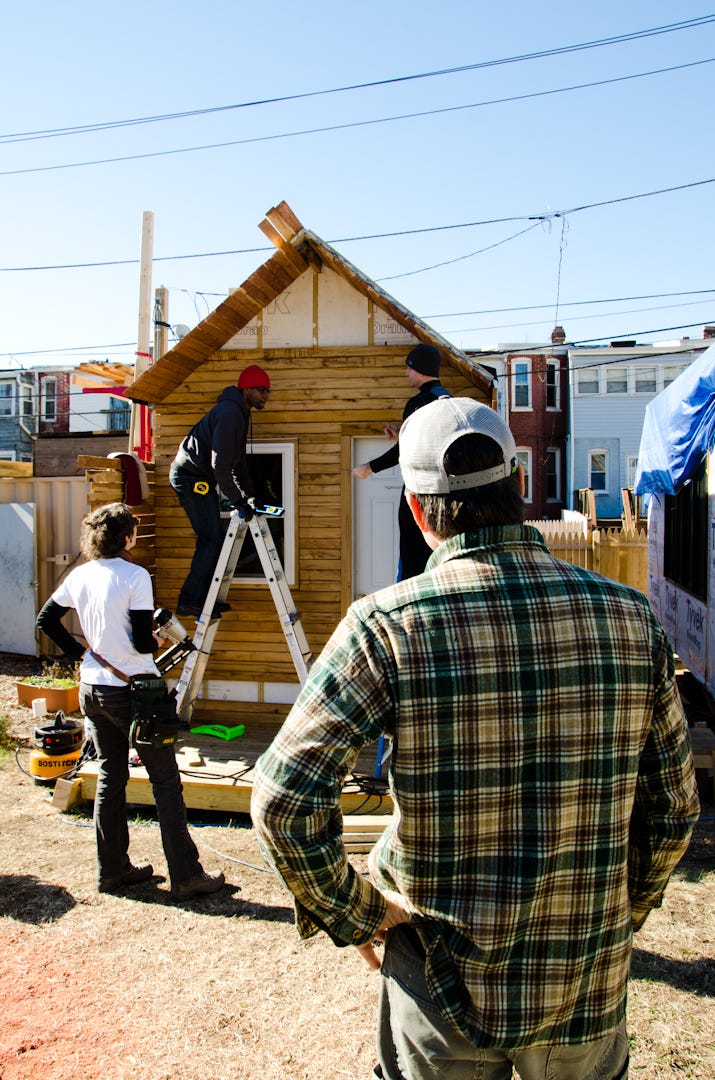
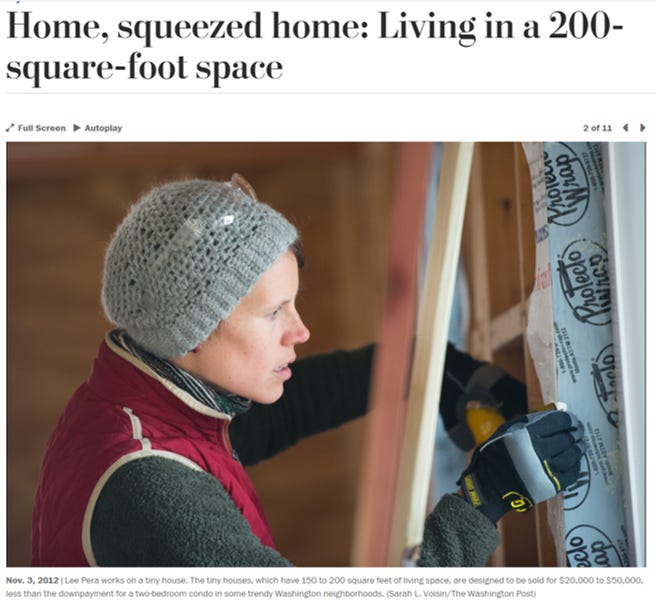
Back when I started one of these creations in 2011, the term “Creator Economy” was just coming into use. I had very little time to write or post on social media. I was not just working full-time, but also building my own tiny house, growing a community and hosting weekly events. I wrote the occasional blog post about our tiny house community endeavor, but that was it.
I didn’t have time to do content creation, but press found us anyway. We were doing something people hadn’t seen before, and journalists, filmmakers, students, and early ‘influencers’ all wanted to come film and interview us. I spent many weekends talking with them on days I could have spent building. My builder and architect were often annoyed with how disruptive these visits were, but I wanted our project to inspire people to take housing into their own hands. Building in public was part of the point and if that meant the build took longer, I didn’t mind.
Since it was not even a movement at the time, I figured most people interested in tiny homes were in it for the same values. I naively assumed we all knew that home and land are not to be treated as commodities, and that we valued reciprocity. Years later, during the pandemic, I learned otherwise.
I preferred to build and teach instead of developing an online presence or personal brand, so when the pandemic hit and I had to move my work online, I needed help getting the word out. I quickly learned that the reciprocity of the early days was gone. The tiny house movement was now a full-fledged industry treating home as a commodity, just like the larger housing industry it sought to challenge. You can read more about that in a previous post.
Most of the tiny home influencers out there today haven’t built a tiny home or community. Instead they capitalized on a trend and built their businesses off of featuring other peoples’ work: tiny house builds, designs, communities, and lifestyles. Nothing wrong with that model, but let’s call it what it is. They are curators of other peoples’ creations.
Creation entails birthing something and the process to bring a physical creation into the material world is not the same as being a social media influencer. So why did they get the label creator? And how did we end up in this hyper-individualistic creator economy? That's a longer story, one I'll dig into in a future post.
Even though I didn’t want to become a creator, I did have to try and make a go of it as an individual business owner after I left my government career. I worked with a few different coaches and marketers who all told me the same thing: you have to brand yourself. The power of the personal brand is where it’s at. Sell your story, build your audience, monetize your content, and grow your platform. The whole process, rooted in individualism and built on extractive platforms, didn’t fit my values.
I spent a couple years trying to conform to that model, but it never stopped feeling contrived. It lost all appeal once I was no longer building alongside people. I didn’t want to create content solely for the purpose of personal branding and sales. I wanted to build and teach again with others, so I stopped trying to brand myself and went back to doing what I love - building.
Three years ago that work shifted into something I hadn’t expected: a project that brought together ancestral wisdom, gaming, and physical community building. I wanted to start talking about what we were creating, but it didn’t feel right to put these reflections and stories on platforms designed to extract and surveil.
At the time we didn’t know our social media data was being scraped to feed frontier AI models, but now we do. I’ve been shocked to see how many people are putting up personal and sacred teachings on Instagram, TikTok and YouTube. It’s been frustrating to see the hypocrisy of social impact leaders lambasting AI and extractive tech, yet still building their businesses there and feeding those models.
I ask myself whether people know what’s actually happening to their content on these platforms or whether the convenience of building a business on them has made it easier not to look too closely. Most of us are on social media of one type or another, and it’s almost impossible to start a business today without an online presence. I struggle with these questions and contradictions all the time, and it’s why it’s taken me a while to write about my current work.
We’re building somewhere else for Building Beyond and have spent a couple years figuring out where and how. We need a space where people can share their stories and wisdom on their own terms, without feeding frontier AI models, and where the value flows back to the communities who created it.
We call this model a living loop: a space where land stewards who want support for their projects, elders who want to share their wisdom safely, and people looking to find their role in building new systems can learn from and support each other. We just started building the digital infrastructure, so we’re still early and figuring it out. I’ll be writing more about it in future posts.
Over the years, many many many people have told me that I and the tiny house community we built inspired them to build their own homes. I still get messages about that today, 15 years later. Yet I would never call myself an influencer and the term creator, at least as it’s currently used, doesn’t fit either. I will, however, continue calling myself a builder. I hope that term isn’t the next to get co-opted, but if it is I’ll still be out here building.
If you’re building something and have been struggling with the same tensions around the creator economy and where to authentically build in reciprocal spaces, I’d love to hear from you.
Creator: one that creates usually by bringing something new or original into being (Merriam-Webster dictionary definition)